当万利轮胎柬埔寨工厂的第一条轮胎成功下线时,当玲珑轮胎在巴西的十亿元工厂奠基仪式举行时,中国轮胎企业的全球化之旅进入了一个新阶段。
2025年以来,从东南亚的成熟基地到非洲的新兴热点,再到拉丁美洲的战略位置,轮胎产业海外扩张的浪潮呈现出区域多元化、大规模投资、战略清晰的鲜明特征,标志着中国轮胎产业已全面进入积极构建全球价值网络的“2.0时代”,而不是被动规避“1.0时代”的贸易壁垒。
1. Global layout: From single-point breakthrough to comprehensive and in-depth exploration
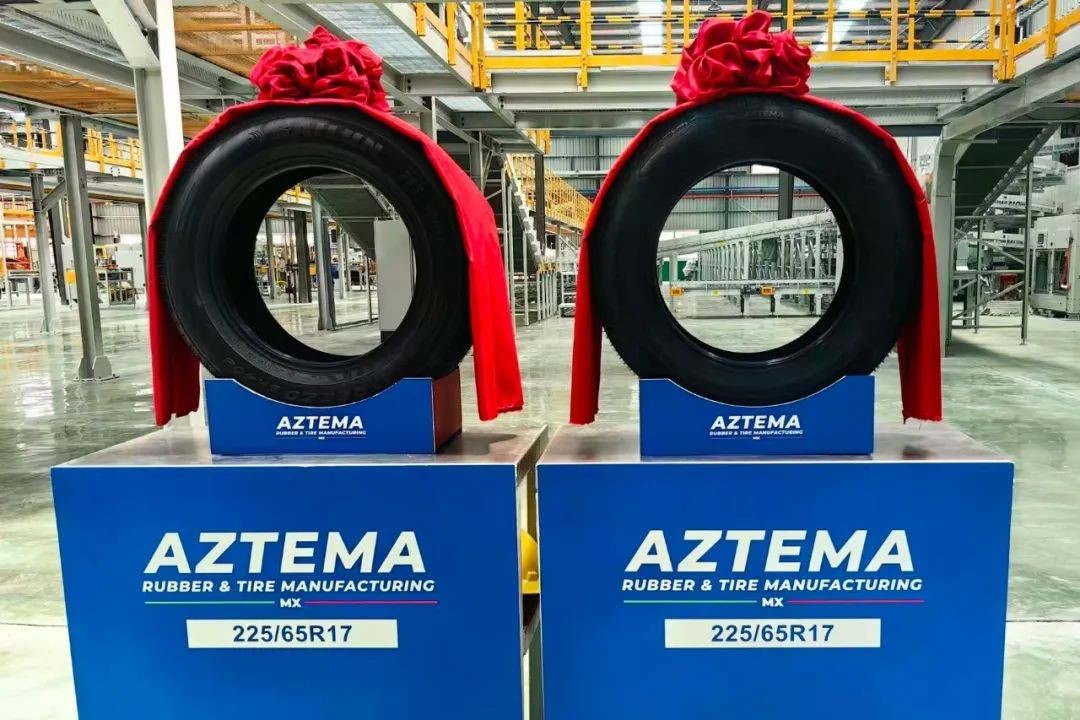
The overseas expansion of Chinese tire enterprises is undergoing a strategic shift from "concentrated layout" to "full coverage". Southeast Asia, as a traditional bridgehead for overseas expansion, continues to maintain strong vitality: Wanli Tire's Cambodian factory, which invested over US$500 million, achieved its first tire roll-off, and the second base of Pulin Chengshan in Malaysia was launched, forming a "twin-star" pattern with the Thai factory, with regional production capacity continuously upgrading towards high-end and intelligent. Data shows that in the first four months of 2025, Cambodian tire exports surged by 76% year-on-year, confirming the strategic value of the Southeast Asian base.
The African market has become a new investment blue ocean. Countries such as Morocco and Egypt, leveraging policy dividends and geographical advantages, have attracted a cluster of Chinese enterprises to make layouts. The Yongsheng Rubber's $675 million Moroccan project has commenced.

The total investment in the Sailun Group's Egyptian base amounts to US$1 billion, and upon completion, it will become a benchmark industrial project for China in Africa. This "Southeast Asia + Africa" bipolar layout is not only close to natural rubber producing areas but also has the potential to reach the two major markets of Europe and Africa, effectively reducing supply chain costs.
Latin America's strategic position has significantly improved, becoming a key fulcrum for companies to leverage the North American market.
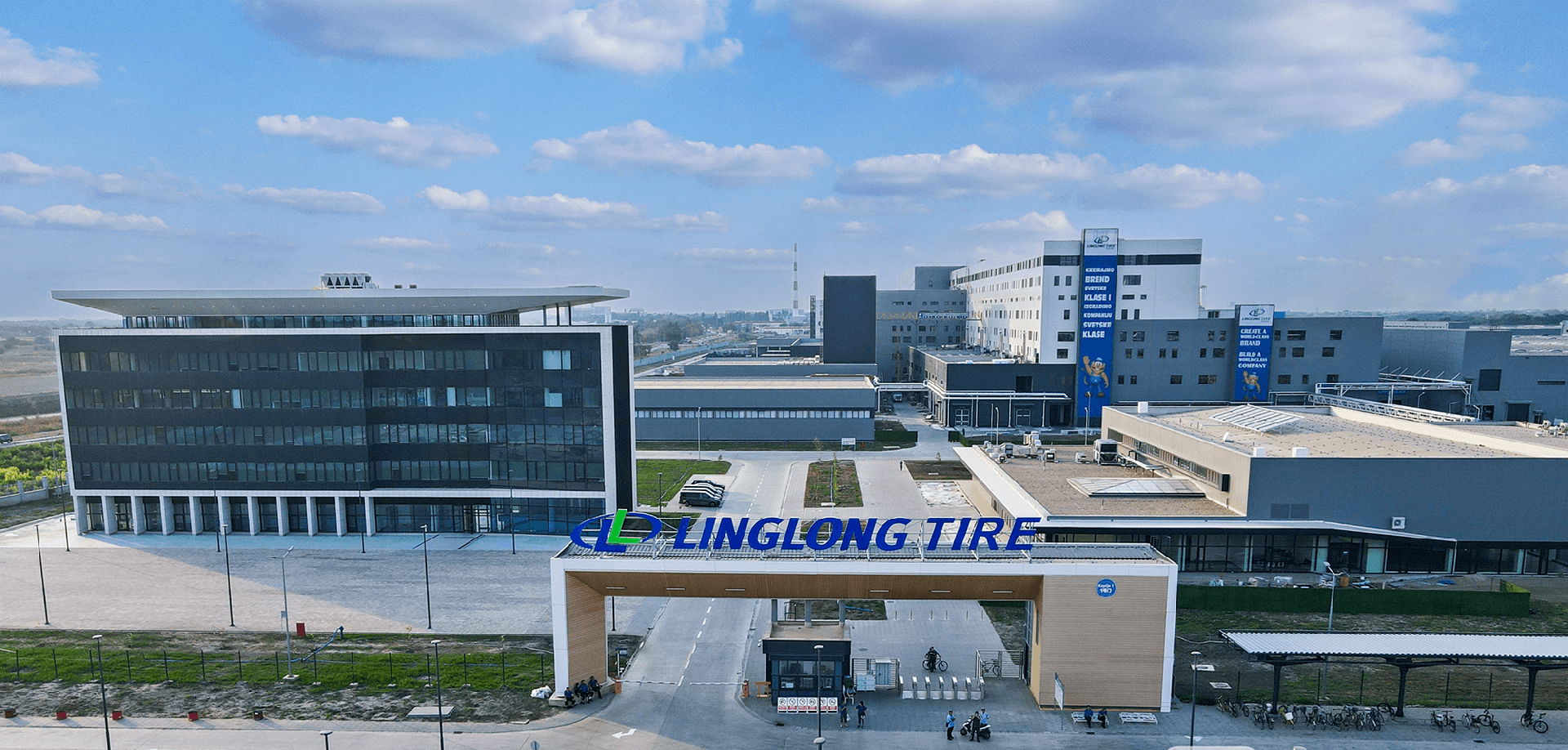
Linglong Tire invested $1.19 billion to build a factory in Brazil, setting a record for the largest investment by a Chinese tire company in South America. It is expected to achieve an annual production capacity of 14.4 million units after it starts production in 2027. Mexico, leveraging the advantages of the North American Free Trade Agreement, has attracted companies such as Sailun and Zhongce Rubber to set up operations, resulting in a sharp reduction in export tariffs to the United States from 35% to 1.24%. This has made Mexico a "golden gateway" for circumventing trade barriers.
II. Strategic dimension upgrading: shifting from production capacity to value creation
Unlike the early simple transfer of production capacity, the current overseas expansion of tire enterprises exhibits a distinct feature of "value upgrading". The investment scale has jumped from tens of millions of dollars to billions of dollars. Super large projects such as Linglong Brazil and Sailun Egypt not only pursue capacity expansion but also focus on high-end manufacturing and technology export. The Wanli Cambodia factory is positioned as a "benchmark factory for overseas expansion", while the Senlin Morocco base specializes in high-performance radial tires, highlighting the transformation of Chinese enterprises from "Made in China" to "Intelligent Manufacturing in China".
Brand building has become a core pursuit for overseas expansion. In the list of the world's top 75 tire companies, Chinese enterprises occupy 37 seats, with Zhongce Rubber and Sailun Tire ranking among the top ten. Brands such as Double Star and Linglong have been selected as China's 500 Most Valuable Brands, and the recognition of independent brands in the international market continues to increase. Linglong Tire has built an anti-fragile network of "Chinese headquarters + overseas bases" through its "7+5" globalization strategy. Its Serbian factory has achieved over 70% localization of employment, deeply integrating into the European market ecosystem.
Green transformation and technological innovation have become the core of competitiveness for overseas expansion. Bridgestone has invested an additional 562 million yuan to increase the production capacity of silent cotton tires, while Continental has invested 300 million euros to expand its high-end tire base in Thailand. Chinese enterprises are also following this trend, widely embedding intelligent production lines and low-carbon manufacturing technologies in their overseas factories. This three-in-one overseas expansion model of "technology + production capacity + brand" enables Chinese tire enterprises to gradually shed the "cost-effective label" and move towards the high-end of the global industrial chain.
III. The Way Out: Building Global Competitiveness Amid Challenges
Behind tire companies' expansion overseas lies their proactive pursuit of change in response to changes in the global trade landscape. Despite the US imposing a hefty 35% tariff on Chinese tires, data from the China Rubber Industry Association indicates that China's tire exports to the US accounted for only 4.2% in 2024. Overseas factories have become a key tool for circumventing trade barriers. Sailun Tire has achieved a 62% net profit contribution through its overseas layout, confirming the strategic effectiveness of "expanding production capacity overseas".
However, the journey towards globalization is not smooth. Geopolitical risks, challenges in localized operations, and difficulties in supply chain integration test the comprehensive strength of enterprises. Industry experts suggest that enterprises need to build "value chain collaborations" and "international collaborative partnerships" to strengthen industry synergy in areas such as technological breakthroughs and green finance. At the same time, they should deeply cultivate localized operations. For example, Linglong Tire has implemented a talent localization strategy in its overseas bases, which not only reduces operating costs but also enhances market adaptability.
Conclusion
With the overseas production capacity of Chinese tire enterprises expected to surpass 120 million units in 2026, the global industrial landscape is poised for profound transformation. From "products going global" to "production capacity going global", and further to "brands going global", Chinese tire enterprises are taking the path of diversified layout, technological empowerment, and deep localization, reshaping their competitive advantages in the global market. This wave of going global is not only reshaping the global landscape of the tire industry but also writing a chapter in the era of China's manufacturing transforming into a global value creator.